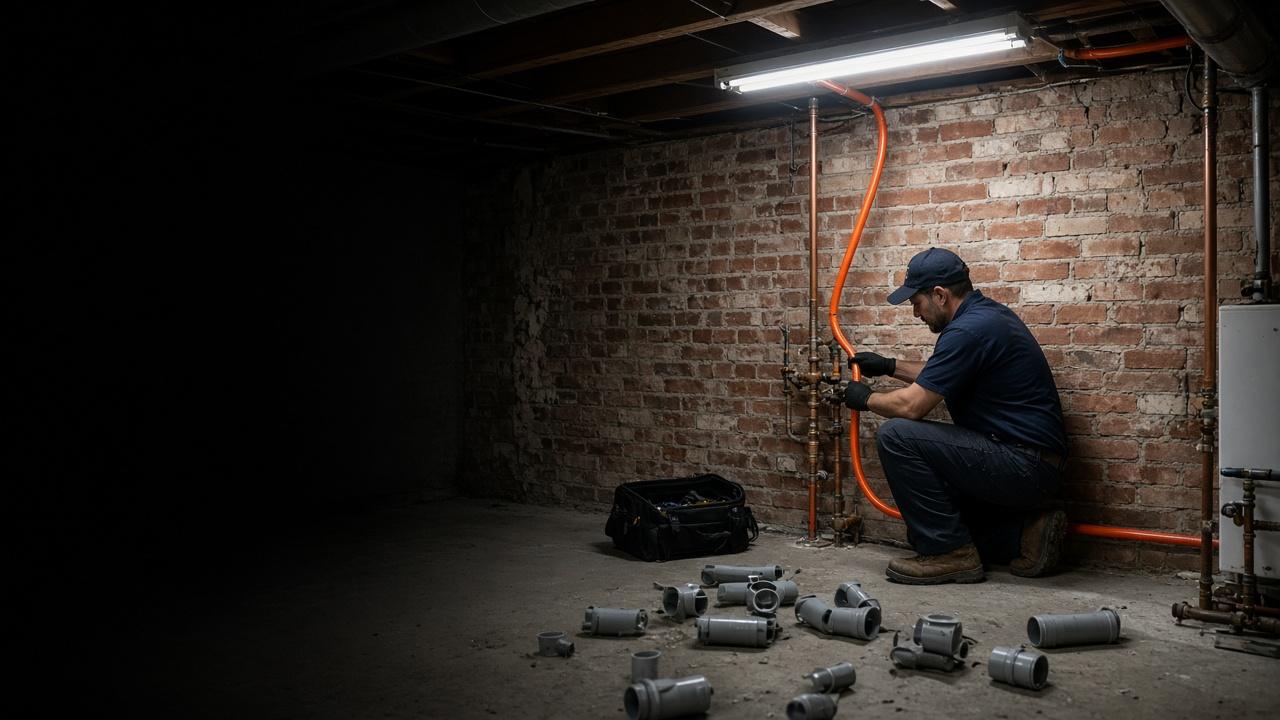
Poly B Pipe Replacement Toronto
Poly B Pipe Replacement in Toronto and across the GTA — handled by licensed plumbers who specialise exclusively in polybutylene pipe systems. Toronto Poly B Replacement Pros brings deep hands-on experience to every poly b pipe replacement project, whether you're in a detached home in Markham or a condo in North York.
A full Poly B repipe is the single most impactful plumbing project a GTA homeowner can undertake. It eliminates the root cause of countless insurance cancellations, leaked ceilings, and hidden water damage claims across Ontario. If your home was built between 1978 and 1995, there's a strong chance polybutylene pipe is hiding inside your walls — and every year it stays there, the risk of catastrophic failure climbs.
Poly B was marketed as a low-cost, flexible alternative to copper during the housing boom that swept the GTA in the late 70s and 80s. Builders loved it. It installed fast, bent around framing easily, and cost a fraction of copper. What nobody told those homeowners was that Poly B reacts poorly to the chlorine and chloramine used to treat municipal water. Over a decade or two, those chemicals attack the inside of the pipe, causing oxidation, micro-cracking, and eventual brittleness. The acetal plastic fittings used at every joint fail even faster — often before the pipe itself shows any external signs of trouble.
What 'Full Repipe' Actually Means
When we say full Poly B repipe, we mean every metre of polybutylene in your home is located, accessed, removed, and replaced. No partial jobs, no leaving the behind-the-drywall sections because they're 'hard to reach.' Partial replacements leave residual Poly B in service and do nothing to satisfy most Ontario insurers — who have become increasingly specific about requiring full removal.
A full repipe starts at your water meter and traces every branch line through your home: main lines in the basement or crawl space, branch lines to bathrooms and the kitchen, connections to the hot water tank, any supply lines running through the attic on two-storey builds. We use detailed floor plans and inspection notes to map every line before we touch a wall.
Access points are planned to minimize drywall cuts. Wherever possible, we route new pipe through existing openings, through the floor/ceiling void, or alongside existing conduit runs. Where we do have to open drywall, we patch and mud those areas as we go — you're not left with a construction zone.
PEX vs. Copper: What You Should Know
The two most common Poly B replacements are PEX and copper, and both are legitimate choices. The right one for your home depends on your budget, your insurer's requirements, and the age of your existing plumbing connections.
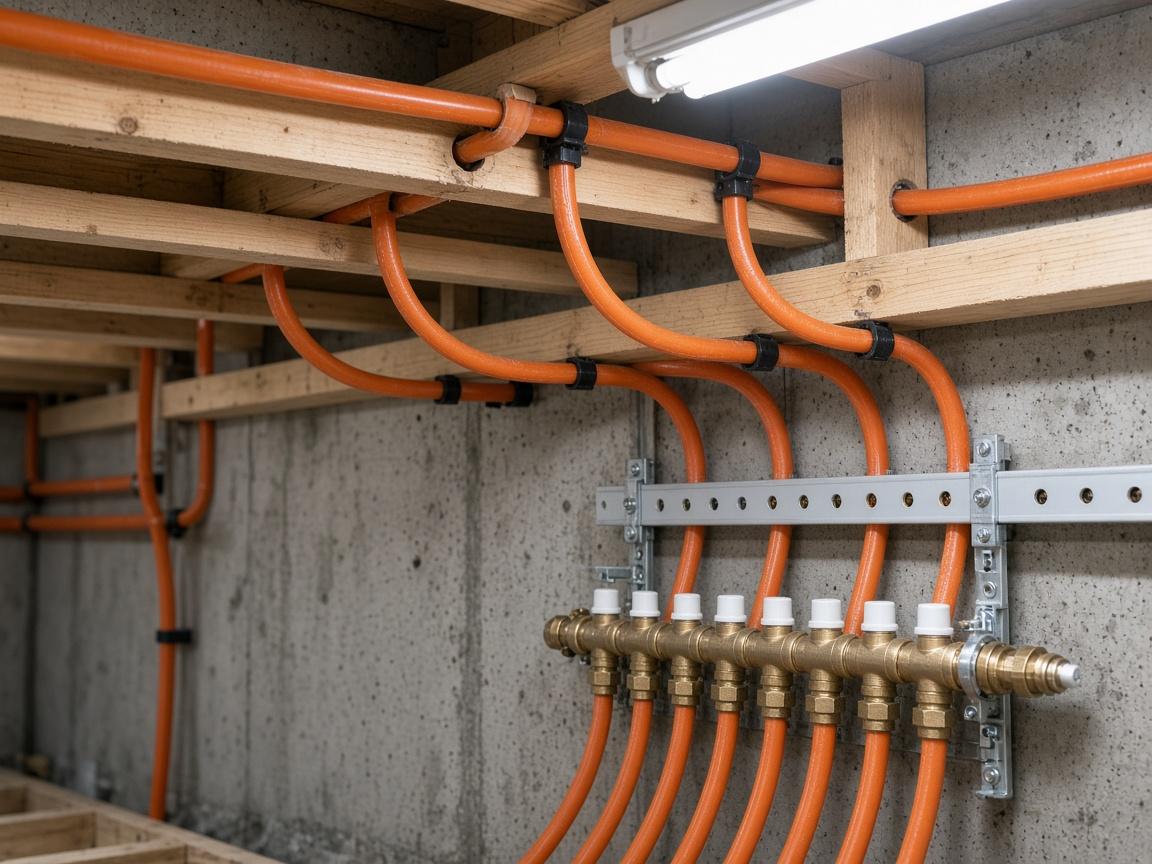
PEX (cross-linked polyethylene) is the most popular Poly B replacement material in Ontario today. PEX-A — the highest grade — is flexible enough to route through tight spaces without fittings, freeze-resistant, and expected to last 50 years or more under normal residential conditions. PEX systems use either expansion fittings (the most reliable) or crimp/clamp connections. It's significantly cheaper than copper, installs faster, and is fully accepted by most Ontario insurers.
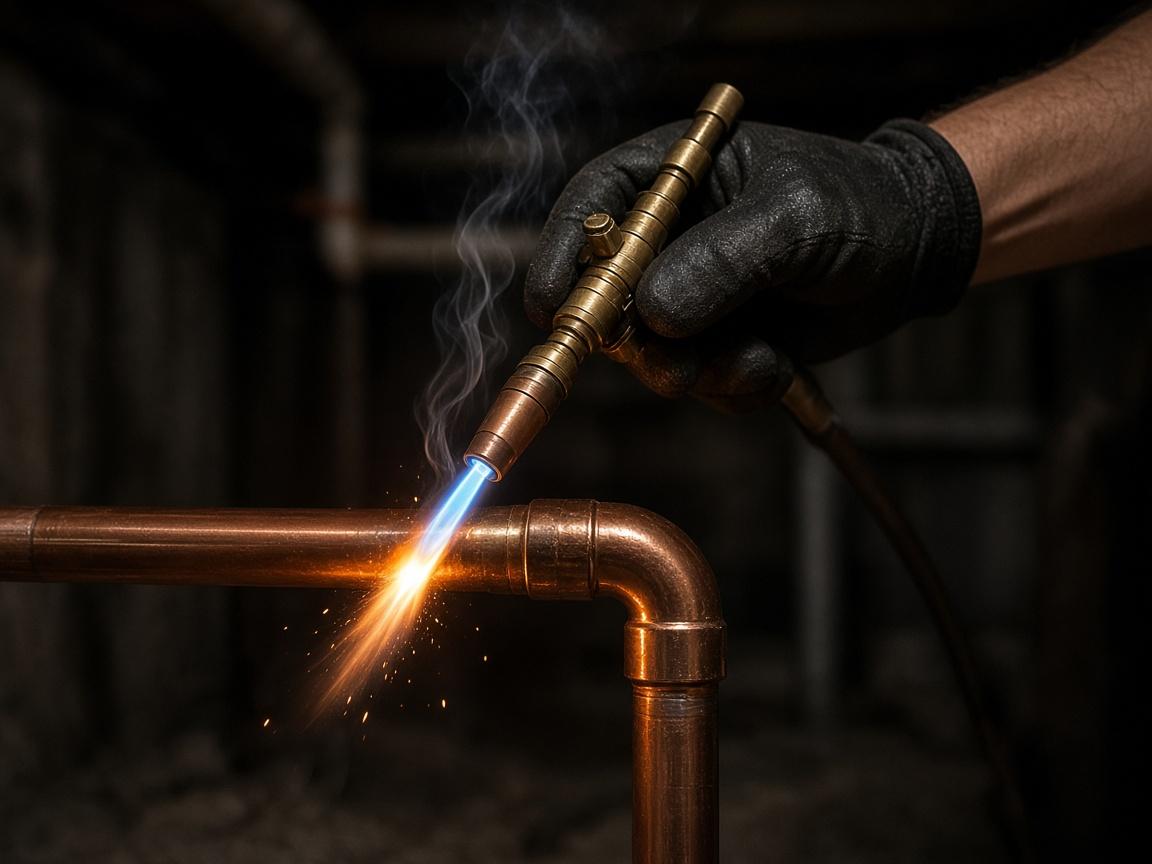
Copper is the traditional premium choice. It's completely inert, dimensionally stable, and has a track record going back over a century in Canadian residential plumbing. Some older insurance underwriters specifically prefer copper because of its established performance history. Copper is heavier, requires solder joints or press fittings, and costs more — but for homeowners who want the most permanent, most insurable solution, it's the right call.
We carry both and will give you an honest comparison on pricing and expected lifespan for your specific home.
The Ontario Insurance Crisis and What It Means for You
The Ontario home insurance industry began quietly flagging Poly B homes as elevated risk starting around 2015. By 2020, several major insurers had issued internal underwriting directives restricting new coverage for homes with known Poly B. By 2023, the situation had accelerated dramatically — homeowners across the GTA were receiving non-renewal notices with 60 to 90-day deadlines, often with little explanation other than 'plumbing material risk.'
The scale of the problem became clear: an estimated 700,000 Canadian homes were piped with Poly B between 1978 and 1995. Ontario, with its massive suburban housing boom during that period, has one of the highest concentrations in the country. The GTA's mature 905 suburbs — Markham, Vaughan, Brampton, Mississauga, North York, Scarborough — are ground zero for Poly B exposure.
Replacement documentation matters as much as the replacement itself. Insurers aren't taking your word for it. They want written confirmation from a licensed plumber on company letterhead specifying: the original pipe material removed, the replacement material installed, the date of completion, and confirmation that all accessible Poly B has been removed. We provide this automatically on every job.
How the Repipe Process Works
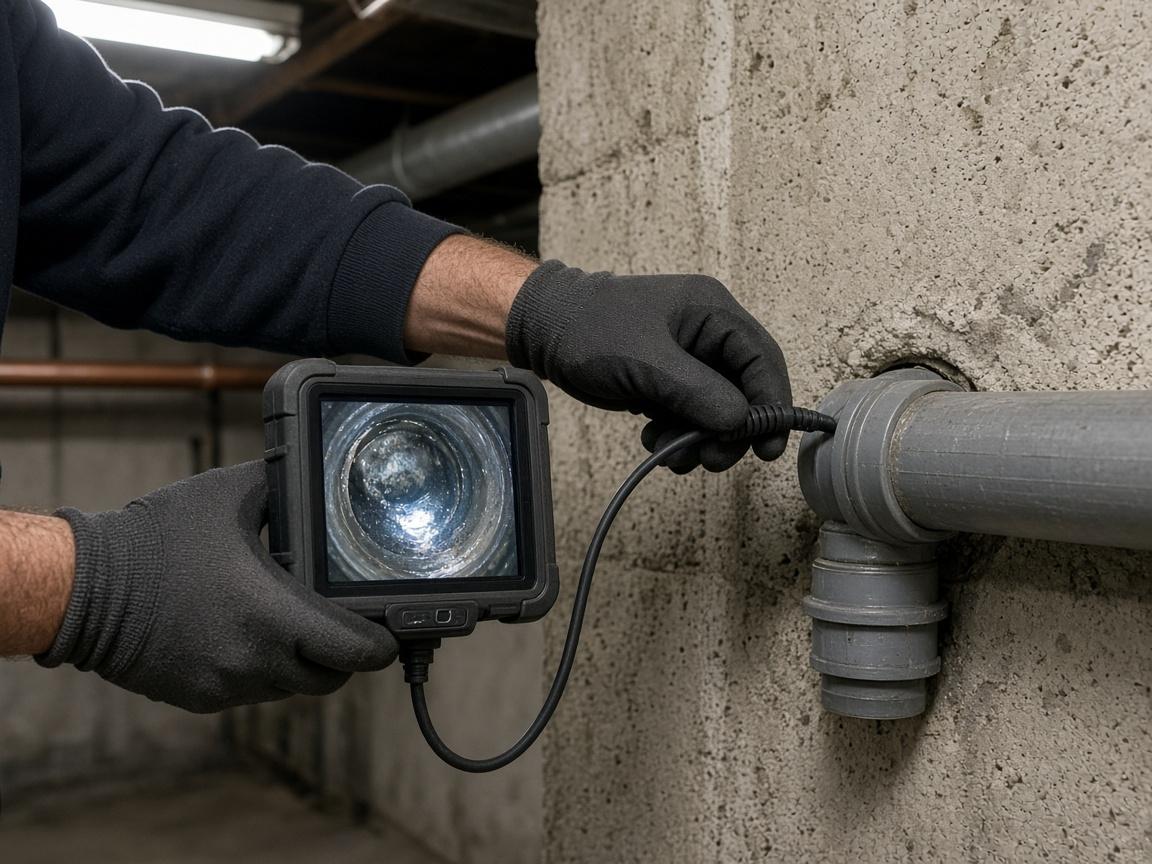
We start with a free on-site assessment. One of our plumbers walks the home with you, locates all visible Poly B at the meter, under sinks, in the utility room, and at any exposed access points. We ask about past leaks, water pressure issues, or any areas of the home that have had unexplained moisture problems. This gives us a full picture before we write a quote.
The quote covers labour, materials, and drywall patching. There are no line-item surprises — we quote the job, not the hour. Once you're ready to proceed, we schedule your start date. Most single-family repipes start and finish within two days. We restore water service at the end of each workday so you're never without running water overnight.
On the job itself, we work from the meter outward, section by section. Each new PEX or copper run is pressure-tested before we move on. At completion, we do a full system test — running every fixture, checking every connection under pressure — and issue your completion certificate the same day.
What to Expect from Poly B Pipe Replacement in Toronto
Every poly b pipe replacement job in Toronto and the GTA includes these deliverables as standard. No upselling, no surprise add-ons.
Why Act Now on Poly B Pipe Replacement in Toronto?
Every year of deferred replacement is another year of internal pipe degradation. Poly B doesn't send warning signs before it fails. When it goes, it goes — often in a wall cavity or under a floor where the water runs for days before you notice. The average water damage claim from a Poly B failure in Ontario is over $50,000. The repipe costs a fraction of that.
Poly B Pipe Replacement Across the GTA
We provide poly b pipe replacement across Toronto and throughout the Greater Toronto Area. Wherever your home was built in the Poly B era, we can help.
Poly B Pipe Replacement Toronto — Common Questions
How much does a full Poly B repipe cost in Toronto?
Most single-family Toronto homes cost between $4,500 and $12,000 for a full repipe depending on square footage, number of bathrooms, and material choice (PEX vs copper). We provide written quotes after the free assessment.
Do I need to leave my home during the repipe?
No. You can remain in your home throughout the project. We restore water service each evening, so your household isn't significantly disrupted. We ask that you leave access to work areas clear.
Will the repipe fix my water pressure issues?
In many cases, yes. Deteriorating Poly B and failing fittings can restrict flow. New PEX or copper pipe with properly sized fittings often results in noticeably improved water pressure.
What if I only have partial Poly B?
If only certain sections of your home used Poly B, we can repipe just those sections. However, most insurers want written confirmation that all Poly B has been removed, so a whole-home inspection first is wise.
More Poly B Solutions
Ready to Book Your Full Repipe in Toronto?
Poly B Pipe Replacement in Toronto doesn't have to be complicated. Contact Toronto Poly B Replacement Pros today — we'll assess your home, explain exactly what's needed, and give you a written quote before any work begins.