Poly B in a Home Inspection Report: Don't Panic, But Don't Ignore It
You're under contract on a Toronto home built in the 1980s. The home inspector's report comes back with a note about Poly B pipe — something like "grey flexible poly B pipe visible at water meter and under kitchen sink — recommend evaluation by licensed plumber."
What do you do?
The short answer: get a proper Poly B-specific inspection done before your conditions expire, and use the findings to make an informed decision about whether and how to proceed.
Why It Matters for Buyers
Insurance: Ontario's home insurance market has tightened significantly around Poly B. When you apply for home insurance on a Poly B property, some insurers will decline coverage entirely. Others will cover the home but require a commitment to remove the Poly B within a specified period (often 30 to 90 days). Getting caught without insurance coverage on closing day is a worst-case scenario.
Before you waive your inspection condition on a Poly B home, call your insurance broker and confirm that you can get coverage and at what terms. This should be part of your conditions due diligence.
Mortgage: Some mortgage lenders — particularly institutional lenders and credit unions — are beginning to flag Poly B in underwriting. While this hasn't yet reached the level of a universal barrier, it's worth confirming with your lender that the presence of Poly B won't affect your financing.
Cost: The repipe cost is a known, manageable number. For most GTA homes, it's $5,000 to $12,000 for a full PEX repipe. This is a negotiating data point, not a deal-breaker — but you need the actual number to negotiate effectively.
What a Pre-Purchase Poly B Inspection Gives You
A general home inspection notes the presence of Poly B but doesn't give you: the full extent of the pipe (which branches are Poly B vs. copper in hybrid systems), the condition of the fittings, or a replacement cost estimate.
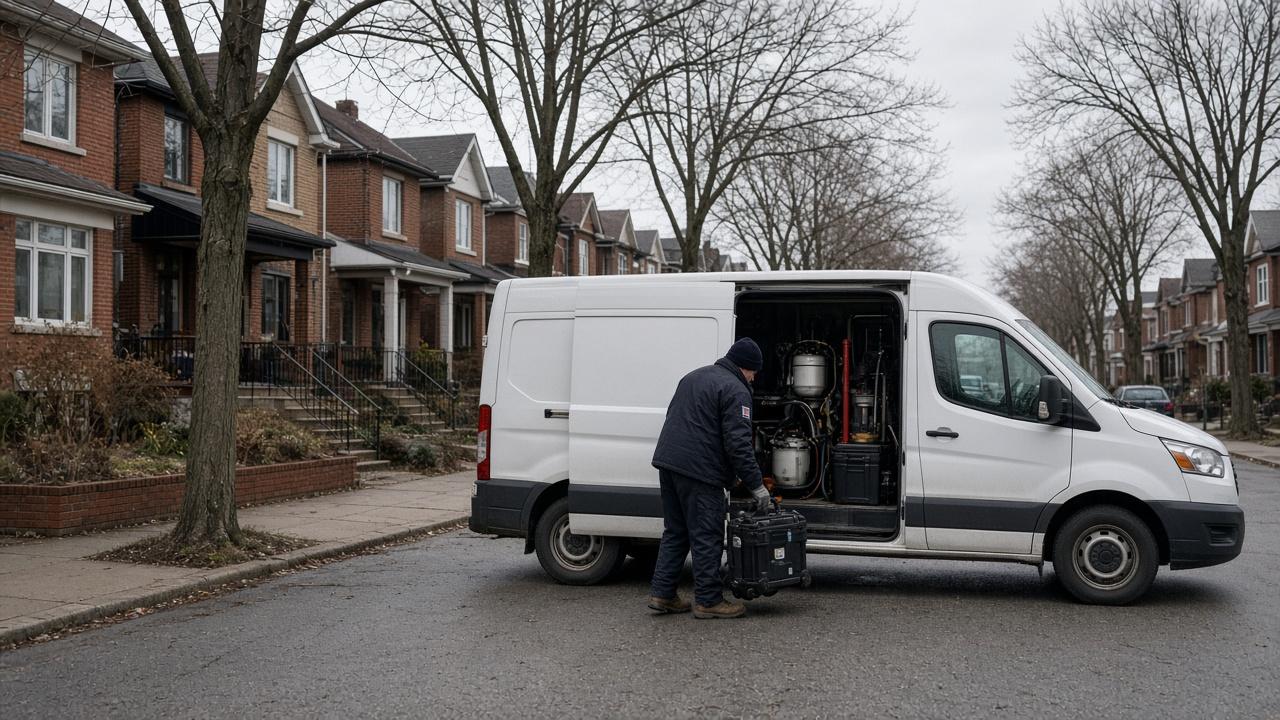
A targeted Poly B inspection from our team gives you all three. We trace every water supply line in the home, assess fitting condition at all accessible junctions, estimate the total scope and replacement cost, and issue a written report the same day.
This report is your negotiating tool. It tells you exactly what you're taking on.
How to Negotiate
There are three common ways to handle Poly B in a purchase negotiation:
Price reduction: You ask the seller to reduce the sale price by some or all of the repipe cost. This is the simplest approach and is very common in the current market. Sellers who've had the home listed knowing about the Poly B situation are often expecting this conversation.
Seller credit on closing: The seller provides a credit toward the repipe cost at closing, rather than reducing the sale price. This is effectively the same thing financially but can work better in some financing structures.
Seller completes the repipe before closing: You ask the seller to have the repipe done and provide completion documentation before closing. This requires more time and coordination but means you close into a fully remediated home. The risk here is that the seller uses a low-cost option that doesn't satisfy your insurer — confirm documentation requirements before agreeing to this approach.
What Not to Do
Don't waive your condition without getting a Poly B-specific inspection. The home inspector's note is not sufficient for insurance or negotiation purposes.
Don't assume the seller's "partial replacement done previously" claim is accurate. We regularly find homes where visible Poly B was replaced but in-wall Poly B was left intact. Only a full professional trace confirms complete removal.
Don't delay confirming insurance terms. Talk to your broker before condition expiry, not after.
Published by the Toronto Poly B Replacement Pros Team. Questions? Call us at 647-699-2805.